
Couponing in the Digital Age: Clipping Codes Without the Chaos
In this article
Paper inserts are just the beginning. Discover how digital coupons, cashback portals, and browser tools fit into a practical savings routine.
Key Takeaways
- Digital coupons load directly to store loyalty accounts or apply at checkout via codes, cutting out the scissors.
- Cashback portals pay a percentage back after purchase and stack with promo codes in many cases.
- Browser extensions automate code-testing at checkout but may affect your browsing data.
- A short pre-shop routine prevents coupon deals from steering you toward items you did not plan to buy.
- Combining a store app, one cashback portal, and a grocery list covers most of a household's regular spending.
How digital coupons actually work
Paper inserts from Sunday circulars have not disappeared, but the majority of coupon activity has moved to apps, websites, and retailer loyalty accounts. Understanding the mechanics helps you use each type without confusion.
Digital coupon
An electronic discount offer loaded to a loyalty account or applied via a code, rather than printed and handed to a cashier.
Promo code
A short alphanumeric string entered at online checkout to reduce the order price by a set amount or percentage.
Cashback portal
A website that pays you back a percentage of what you spend when you shop through its links to participating retailers.
Loyalty account
A free membership account with a retailer that lets you accumulate points or load digital coupons tied to your purchases.
Coupon stacking
Using more than one discount type on the same purchase, such as a store coupon combined with a manufacturer coupon or a cashback offer.
Aggregator site
A website that collects and lists coupon codes and deals from many retailers in one searchable place.
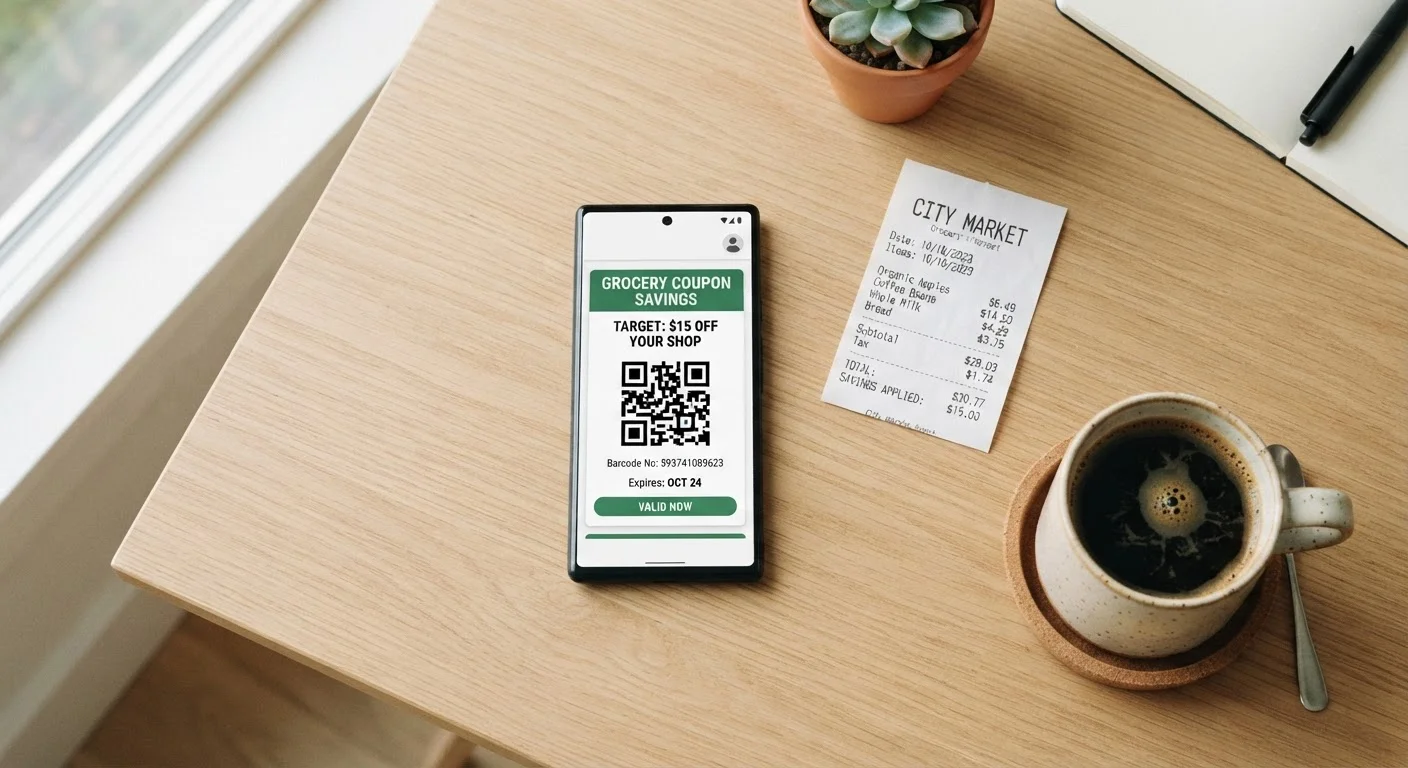
Retailer digital coupons live inside a store's own app or website. You browse available offers, tap to load them onto your loyalty account, and the discount applies automatically at checkout when you scan your card or app barcode. No code entry is needed.
Manufacturer digital coupons work similarly but originate from the brand rather than the store. They are distributed through coupon aggregator sites or directly through brand apps and can sometimes be loaded to the same loyalty account.
Promo codes are alphanumeric strings you enter in a cart or checkout field on a retail website. They are common in online shopping and are distributed through email lists, social media, and coupon aggregator sites.
Where to find legitimate coupon codes
Coupon aggregator websites collect promo codes from across the internet and display them alongside user-submitted success or failure ratings. Not every code listed will work, but rated codes with recent activity are more reliable.
Retailer apps are often the most reliable source for grocery and household savings. Chains frequently load personalized offers based on purchase history, which means the coupons available in your account may differ from a neighbor's. Checking the app before writing your shopping list lets you plan purchases around available savings rather than searching afterward.
Email newsletters from retailers you already shop regularly can deliver promo codes directly. A separate email address used only for shopping subscriptions keeps your primary inbox clean while giving you access to promotional messages.
Brand websites sometimes publish coupon offers or link to printable and digital coupons directly on their product pages. This is worth checking for household staples you repurchase on a regular cycle.
For a grounded look at which coupon habits actually pay off versus which ones consume more time than they save, see common shopping myths that cost families money.
Cashback portals and browser extensions
Cashback portals are websites that pay a percentage of your purchase price back to you after you click through to a retailer from their platform. The portal receives a commission from the retailer and passes part of that back to you. Payouts accumulate in the portal account until you withdraw them, typically by check, direct deposit, or gift card.
The main discipline required is remembering to start your shopping session from the portal rather than going directly to the retailer. A short habit, checking the portal before opening a retailer site, is all the process that is needed.
Browser extensions from cashback services automate this by detecting when you visit a participating retailer's site and activating the cashback link automatically. Some extensions also test multiple promo codes at checkout and apply whichever one saves the most.
Check stacking rules before checkout
Before counting on both a promo code and a cashback payout, verify the retailer's terms. Some retailers exclude cashback on orders that use a promo code, and some cashback portals exclude certain sale categories. A quick scan of the offer terms takes less than a minute and prevents a missed payout.
Stacking a promo code with a cashback portal is possible at many retailers. The extension applies the code discount to the purchase price first, and the cashback percentage is then calculated on the final amount paid. Confirm the retailer allows this combination before counting on both.
Building a simple, sustainable couponing routine
A routine that runs in under ten minutes per week covers most household needs without becoming a project. The goal is to let available savings inform what you buy, without letting promotions dictate it.
- Open the store app for your primary grocery store and load all relevant coupons before building your list for the week.
- Cross-reference your planned purchases with any available cashback offers for non-grocery items you already intended to buy.
- Check one aggregator site at online checkout before entering payment information.
Pairing this habit with a clear household budget makes the savings more meaningful. Envelope budgeting methods, whether cash-based or digital, give couponing a structure to sit inside rather than operating as a freestanding habit.
For each non-routine purchase, running through a short pre-purchase checklist before searching for a code helps confirm the item itself was a planned expense.
When coupons work against you
Coupons reduce cost per unit on items you would buy anyway. When they pull you toward items you would not otherwise buy, the net effect on your budget is negative regardless of the discount percentage shown.
A $2 coupon on a $6 item you did not need costs $4 more than not buying it. Retailers and brands know that promotional offers generate incremental purchases, which is why spending traps inside everyday shopping routines often include coupon-adjacent mechanics like minimum purchase thresholds and bundle requirements.
Similar pressure appears in digital form. Impulse buying psychology applies directly to flash coupon notifications and limited-window app offers designed to create urgency around an unplanned purchase.
The practical filter is simple: check whether the item was on your list before the coupon appeared. If it was not, the savings are hypothetical.
Frequently Asked Questions

Author
Smart Shopping Habits Editorial Team
Smart Shopping Habits Editorial Team is the collective byline for our editorial team and contributor network. Articles published under this byline or an editorial pen name are researched, written, and reviewed according to our editorial standards for clarity, consistency, and independence before publication.
View all articles