
Before You Add to Cart: A Pre-Purchase Checklist
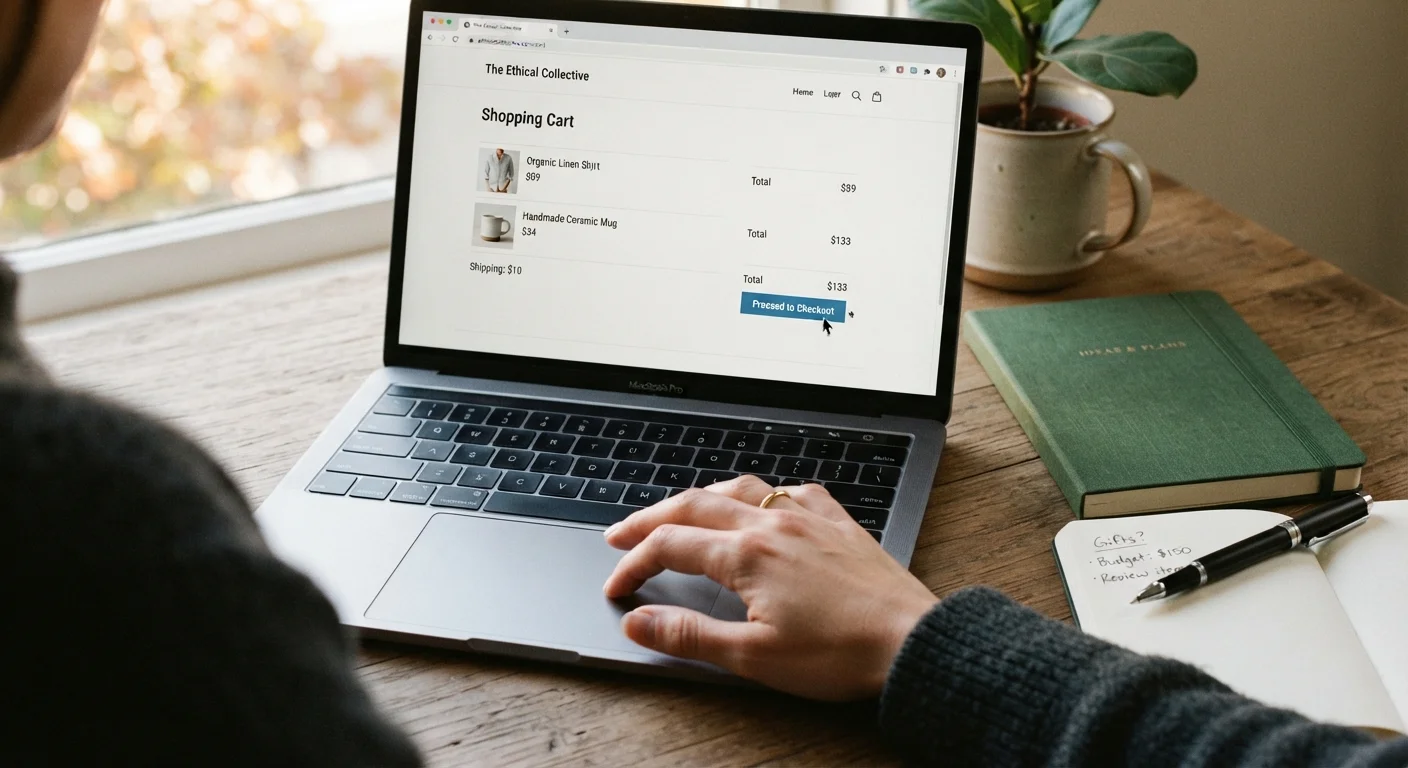
A short set of questions to run through before any non-essential purchase can help households avoid regret and stay within budget.
Key Takeaways
- Pausing before any non-essential purchase reduces impulse spending without requiring a strict budget overhaul.
- Checking whether an item fills a genuine need versus a passing want is the most effective single filter.
- Price history tools and return policies are free resources most shoppers skip entirely.
- Timing, bundled costs, and opportunity cost all factor into whether a purchase delivers real value.
- Running through a short checklist builds a habit that compounds into meaningful savings over time.
Why a pre-purchase checklist works
Impulse purchases are rarely random. Retailers design product pages, limited-stock notices, and checkout flows to compress the time between interest and payment. A short checklist interrupts that compression without requiring willpower alone.
The goal is not to talk yourself out of spending. It is to make sure that when you do spend, the purchase holds up under a few seconds of scrutiny. Households that build this habit often find that the checklist pays for itself the first time it catches a redundant or ill-timed buy. For a broader look at the retail patterns that quietly inflate spending, see how everyday shopping routines hide spending traps.
This checklist applies to non-essential purchases in any category, from home goods to clothing to electronics. It does not replace a household budget, but it works well alongside one. If you use the envelope method or digital spending categories, this checklist fits naturally into that system. The envelope budgeting guide covers how to pair a spending framework with day-to-day purchase decisions.
Need and timing
Budget fit
Price and value
Risk and return
Final confirmation
Tools that support the checklist
Running through these questions is faster when you have a few free resources at hand. None of them require a subscription or a technical background.
Price history tracker (browser extension)
Shows the historical price of a product so you can judge whether the current price is genuinely lower than usual.
Retailer coupon aggregator site
Collects publicly available promo codes for major retailers so you can test them before finalizing checkout.
Cashback portal account
Earns a percentage back on qualifying purchases when you click through to a retailer from the portal first.
Household budget spreadsheet or app
Lets you confirm the purchase fits your current spending category before you commit.
Retailer return policy page
Clarifies exactly how long you have to return an item and whether restocking fees apply.
If the purchase involves a significant home item, cross-reference it against your maintenance calendar. Some buys make more sense at certain times of year. The seasonal home maintenance guide can help you decide whether a purchase addresses a real upcoming need or can wait. For digital coupon strategies that complement this checklist, couponing in the digital age walks through cashback portals and browser tools worth adding to your routine.

Author
Smart Shopping Habits Editorial Team
Smart Shopping Habits Editorial Team is the collective byline for our editorial team and contributor network. Articles published under this byline or an editorial pen name are researched, written, and reviewed according to our editorial standards for clarity, consistency, and independence before publication.
View all articles