
Why Family Vacation Costs Spiral (and the Planning Habits That Prevent It)
In this article
Overspending on family travel rarely happens all at once. Understand the common planning gaps that quietly inflate the final bill.
Key Takeaways
- Most family vacation overspending traces back to planning gaps, not impulsive spending at the destination.
- Booking flights and accommodation without a total trip budget first almost always inflates the final cost.
- Per-person pricing multiplied across a family of four turns modest daily costs into significant totals.
- Anchor costs like flights lock families into expensive surrounding decisions about hotels and activities.
- A written budget with category-level spending limits is one of the most reliable ways to stay on track.
How vacation costs get away from families
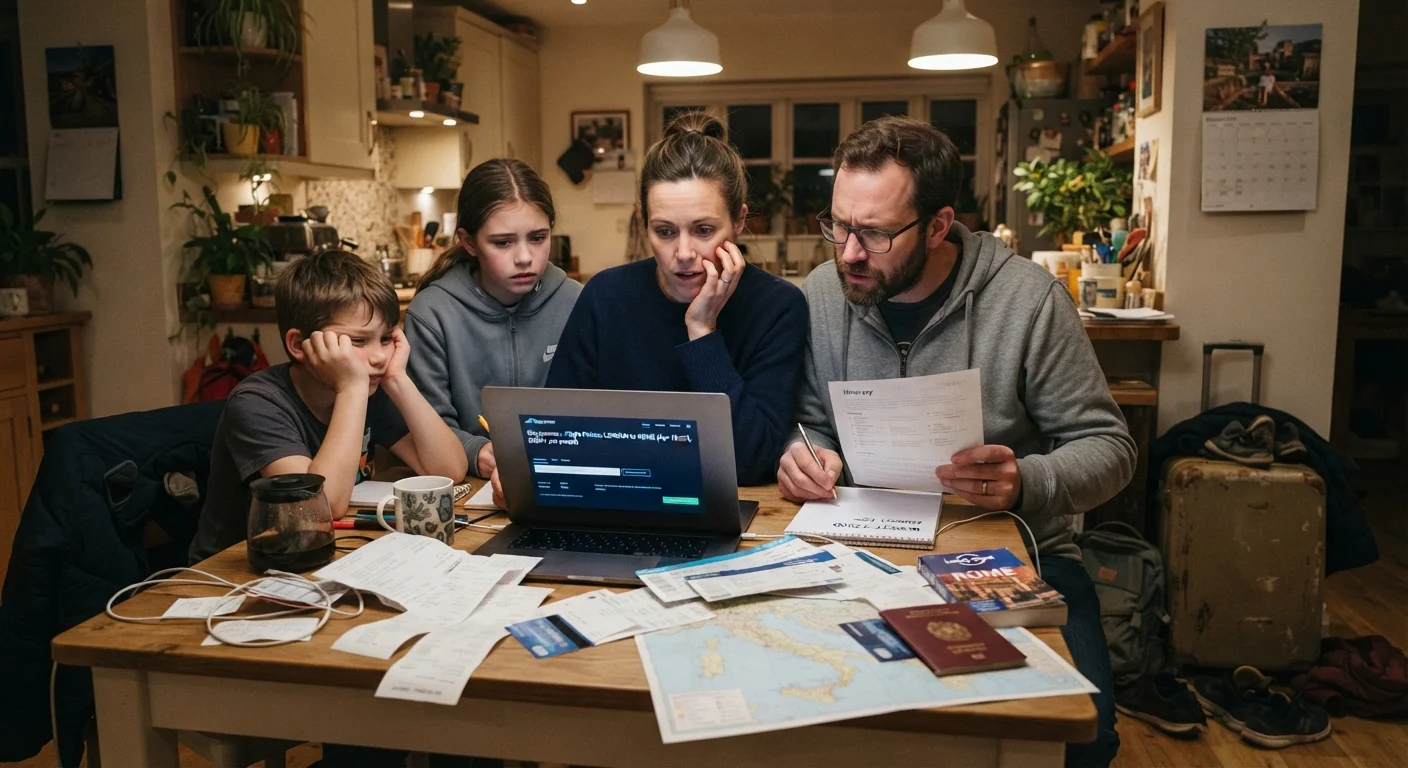
Family vacation budgets rarely blow up in one dramatic moment. They erode through a sequence of individually plausible decisions: a flight booked before a budget exists, a hotel that looks affordable until the resort fee appears, a theme park priced at adult rates for everyone over ten. By the time the trip ends, the total is significantly higher than any early estimate, and it is not obvious where it went.
The pattern is consistent enough that it has little to do with financial discipline and almost everything to do with the order in which families make decisions. Travel planning naturally pulls people toward the exciting parts first: the destination, the flights, the hotel photos. The cost infrastructure gets assembled around those choices rather than the other way around.
This creates a predictable series of mistakes. Understanding them before booking starts is one of the more concrete steps a family can take toward a trip that costs what they expected it to. For a fuller picture of the planning process, the start-to-finish family travel planning guide covers each stage in sequence.
Booking flights and hotels before setting a total budget.
Why it happens: Families often start with an exciting destination and search for flights first, treating cost as something to figure out afterward. The appeal of locking in a deal makes it feel like responsible planning.
Underestimating daily food costs on the road.
Why it happens: Families budget for a few restaurant meals but forget that convenience purchases, snacks, drinks, and one extra sit-down meal per day compound quickly, especially at tourist-area pricing.
Ignoring resort fees, parking charges, and baggage surcharges until checkout or the gate.
Why it happens: These charges appear late in the booking flow or not at all until payment, so they rarely factor into the initial comparison. Families book what looks like the lower price and absorb the extras later.
Letting the anchor cost of flights drive all subsequent decisions.
Why it happens: Once flights are booked to a specific city, families feel psychologically committed to that destination and accept higher hotel or activity prices because the flight is already paid.
Not accounting for the cost difference between adult and child pricing.
Why it happens: Travel research defaults to adult pricing, and many families assume children travel cheaper across the board. Discounts vary widely by attraction, airline, and country.
Skipping travel insurance and then spending on disruptions out of pocket.
Why it happens: Travel insurance feels like an optional add-on when the trip is going smoothly during planning. Families with tight budgets often cut it to save upfront.
Building habits that hold the budget together
The mistakes above share a common structure: a decision made without the right information at the right time. The planning habits that prevent them are less about discipline and more about sequence.
The per-person multiplier changes everything
A $25 activity or $15 meal sounds reasonable until you multiply it by four or five people, every day, across a week. This math catches families off guard repeatedly because most travel content is written for solo travelers or couples. Before committing to a destination or itinerary, run the numbers at your actual family size across the full trip length.
Writing down a category-level budget before any booking happens is the single most reliable intervention. It forces a check on whether the destination is financially realistic at your family size before money is committed. The pre-booking checklist is a practical tool for catching cost gaps before they become locked-in expenses.
For families who find that trip costs consistently exceed expectations even with planning, the spending patterns described in everyday shopping spending traps often carry directly into travel decisions. The same anchor pricing and sunk-cost dynamics that inflate a grocery run inflate a vacation budget. Recognizing them in one context makes them easier to catch in the other.
The broader approaches covered in stretching a family travel budget apply across destination types and trip lengths. None of them require booking far in advance or accepting a worse experience. They require making cost-aware decisions earlier in the planning sequence than most families currently do.

Author
Budget Travel Tips Editorial Team
Budget Travel Tips Editorial Team is the collective byline for our editorial team and contributor network. Articles published under this byline or an editorial pen name are researched, written, and reviewed according to our editorial standards for clarity, consistency, and independence before publication.
View all articles