
Weekend Curb Appeal Projects That Cost Under $100
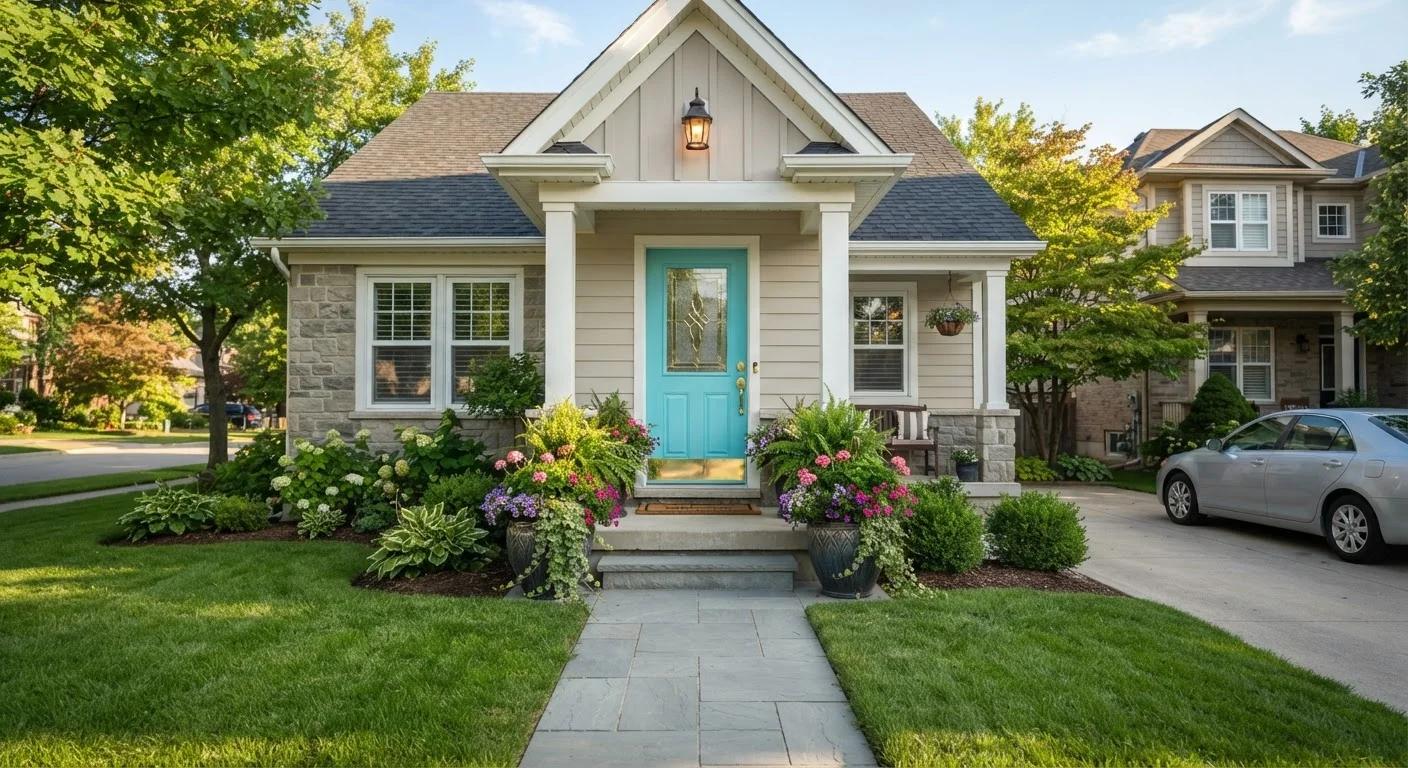
Small exterior upgrades can make a big visual difference. Explore low-cost weekend projects that boost your home's curb appeal without a contractor.
Key Takeaways
- Most curb appeal projects cost under $100 and can be completed in a single weekend.
- Fresh paint on a front door is one of the highest-impact, lowest-cost exterior upgrades available.
- Edging, weeding, and mulching a front bed requires minimal tools and transforms the look of a yard.
- Replacing outdated house numbers or a mailbox costs roughly $20 to $50 and takes under an hour.
- Power washing driveways and walkways removes years of grime without any product costs if rented.
- Layering low-cost plants in containers near the entry creates immediate visual warmth for little money.
What a weekend and $100 can actually do
Curb appeal work does not have to mean a landscaping crew or a full exterior repaint. The street view of a home is shaped by details: a faded door color, cracked walkway edges, overgrown beds, or a rusted mailbox. Each of those problems has a low-cost fix that most homeowners can handle with basic tools in a Saturday or Sunday.
The projects below stay within a $100 budget when purchased at standard retail prices for materials. Some come in well under that. For each one, the return in visual improvement is large relative to the cost, which is why they appear regularly in home staging guidance and neighborhood association recommendations. Before starting any project that touches exterior walls, trim, or paint, check whether your homeowners association has color or material rules. And if a project sits near utility lines or requires ladder work above one story, consider whether a professional is the safer option. Our guide on when DIY makes financial sense covers the factors worth thinking through.
Paint the front door
A single quart of exterior paint covers a standard door and costs roughly $15 to $25. Colors in the navy, forest green, deep red, or matte black range tend to read well against most siding tones. Sand lightly, wipe down with a damp cloth, apply painter's tape to the frame and hardware, and use a small foam roller for the panels with a brush for edges. Two coats dry in a few hours. Total time including prep: four to five hours.
Remove the door hardware before painting if it shows rust or tarnish. New deadbolt-and-handle sets in brushed nickel or matte black run $30 to $50 at hardware stores and complete the change without adding a second project day.
A quart of exterior paint and one afternoon can change the entire face of a home.
Edge and mulch the front beds
Overgrown bed edges make a yard look neglected regardless of what is planted inside them. A manual half-moon edger costs around $25 and cuts a clean line between lawn and bed in under an hour for most front yards. Pull weeds by hand, then spread a two- to three-inch layer of wood chip mulch. A standard two-cubic-foot bag covers roughly eight square feet; four to six bags handle a typical front foundation bed and cost $20 to $30 total.
Fresh mulch also suppresses new weed growth for several months, so the work pays forward. Dark brown or black dyed mulch tends to photograph well and contrasts cleanly with most plant colors. Avoid piling mulch against the base of the house, which can trap moisture and damage siding over time.
Clean bed edges and fresh mulch do more for a yard's appearance than most planting changes.
Replace house numbers and the mailbox
Faded or peeling house numbers are easy to overlook from inside the home but visible to anyone approaching. Individual address numbers in brushed metal or matte black run $3 to $8 each at hardware stores. A full set of four numbers costs $12 to $32. Mount them on a clean surface with matching screws, or attach them to a small cedar plank for a cleaner look if the siding is uneven.
A standard post mailbox replacement takes under an hour with a drill and costs $25 to $55 for a basic model. Match the finish to the new house numbers for a pulled-together result. The total spend for both updates can stay under $60.
Matching house numbers and a mailbox in the same finish cost under $60 combined.
Power wash the driveway and walkway
Concrete and pavers collect algae, tire marks, and general grime over years. Renting a gas-powered pressure washer runs $50 to $75 for a half day at most equipment rental centers. The cleaning result on a stained driveway can look close to a resurfacing job at a fraction of the cost.
Work from the house outward in overlapping passes, keeping the nozzle about 12 inches from the surface to avoid etching. A 2,500 to 3,000 PSI machine handles most residential concrete without damage. Avoid directing the spray at caulked joints between slabs; high pressure can displace the filler. If the walkway leads to a front step, scrub the step with a stiff brush and a bucket of diluted cleaner rather than the washer to avoid water intrusion at the threshold.
Renting a pressure washer for a half day can restore years of concrete discoloration.
Add container plants near the entrance
Two matching planters flanking a front door create symmetry and color without permanent landscaping changes. Plastic planters that mimic terracotta or stone cost $10 to $20 each. Fill them with a combination of one upright plant, one trailing plant, and one mid-height filler: this layering approach creates fullness quickly. At a garden center in spring or fall, a tray of annuals runs $8 to $15 and provides enough plants for two containers with some left over.
For lower maintenance, consider a single perennial grass or small evergreen shrub in each container, which will return the following season. Water the containers deeply every two to three days during warm weather rather than giving shallow daily doses. For more ideas on low-cost planting, growing on a tight budget covers soil and plant selection strategies that apply to containers as well.
Two matched planters with layered plants cost under $50 and frame any entrance effectively.
Clean and reseal the front walkway cracks
Concrete walkway cracks wider than a quarter inch let in water that expands during freeze-thaw cycles and widens the damage each winter. A tube of concrete crack filler costs $6 to $12, and a small tub of masonry resurfacer runs $20 to $35 for surface spalling. Neither requires special tools beyond a caulk gun and a margin trowel.
Clean the crack with a wire brush, blow out loose debris, fill to just below surface level, and smooth with the trowel. For a walkway with multiple small cracks, a thin broadcast resurfacer coat gives a uniform appearance after patching. This is maintenance work as much as cosmetic work: addressing cracks early avoids the cost of slab replacement down the road.
Filling walkway cracks early costs under $15 and prevents far more expensive slab damage later.
Making the most of what you have
Several of these projects overlap well. Painting the front door the same weekend you replace the house numbers costs less time than doing them separately, and the combined effect is stronger than either change alone. Start with the most visible problem from the street, fix that first, and the remaining budget usually covers one or two supporting touches.
Exterior upkeep done early also prevents larger costs later. Seasonal maintenance checks are a natural companion to any curb appeal work: while you are outside assessing the front of the house, it is a good time to look at caulk around windows and trim. Small gaps there can add to energy bills, and sealing them is inexpensive. A tidy exterior and a well-maintained one are not separate goals.
Group projects for maximum effect
Doing two or three of these changes in the same weekend amplifies the result because the improvements read together from the street. Pair door painting with new house numbers and a power-washed walkway for a cohesive change that costs well under $100 total when you already own basic tools. Take a photo from the curb before starting so you can compare the before and after accurately.

Author
Home on a Budget Editorial Team
Home on a Budget Editorial Team is the collective byline for our editorial team and contributor network. Articles published under this byline or an editorial pen name are researched, written, and reviewed according to our editorial standards for clarity, consistency, and independence before publication.
View all articles